What Is the Best Recovery Food? Top Choices for Faster Healing
Introduction
Finishing a workout marks the start of a critical biological process—recovery. The food choices you make in the following hours directly determine how well your muscles repair, how quickly your energy returns, and how prepared you are for your next session. Skipping proper post-exercise nutrition can leave you feeling fatigued and diminish the benefits of your training . What is the best recovery food? This question deserves a comprehensive answer that moves beyond protein shakes and supplements to embrace a holistic approach involving macronutrients, micronutrients, and strategic timing.
Understanding the Science of Post-Workout Recovery
The 4Rs Framework: Refuel, Repair, Rehydrate, Recuperate
Sports nutrition experts propose the 4Rs framework to optimize post-exercise recovery. This evidence-based model focuses on four critical components :
- Rehydration: Replace fluids and electrolytes lost through sweat
- Refuel: Restore depleted glycogen stores with carbohydrates
- Repair: Stimulate muscle protein synthesis with quality protein
- Recuperate: Support overnight recovery with pre-sleep nutrition
Each element plays a vital role in helping your body bounce back stronger after physical stress.
The Golden Window: When to Eat for Optimal Recovery
Timing matters significantly. Your muscles are most receptive to nutrients within the first 30 to 60 minutes after exercise . Consuming the right recovery foods during this window helps maximize glycogen replenishment and kickstarts the repair process. Delaying intake by just two hours can lead to reduced muscle glycogen concentrations and potentially impair your performance the following day .
What Is the Best Recovery Food for Replenishing Glycogen?
Carbohydrate Choices That Restore Energy Stores
Carbohydrates are the preferred energy source for muscles and essential for restoring glycogen stores depleted during exercise . For optimal glycogen replenishment, aim for approximately 1 to 1.2 grams of carbohydrate per kilogram of body weight per hour during the initial four hours post-exercise .
Top carbohydrate sources include:
- Whole grains (bread, pasta, rice)
- Sweet potatoes
- Quinoa
- Bananas
- Berries
Sweet potatoes and quinoa not only replenish glycogen but also provide additional nutrients like copper and plant protein . Berries offer the added benefit of antioxidants, making them a dual-purpose recovery food .
The Case for Glucose and Fructose Combinations
Research suggests that combining glucose with fructose may enhance glycogen restoration. Some studies have shown that glucose-fructose mixtures can increase subsequent endurance running capacity by approximately 33% compared to glucose alone . This combination also tends to cause fewer gastrointestinal complaints during recovery.
What Is the Best Recovery Food for Muscle Repair?
Protein Sources That Support Muscle Protein Synthesis
Exercise triggers muscle protein breakdown, especially during resistance training. High-quality protein consumption stimulates muscle protein synthesis, the process that builds new muscle tissue .
Excellent protein sources for recovery:
- Chicken breast: Lean and packed with essential amino acids
- Eggs: Highly digestible and contain choline for muscle function
- Salmon: Provides protein plus anti-inflammatory omega-3s
- Cottage cheese: Rich in leucine and contains casein for slow release
- Greek yogurt: Offers protein and probiotics for gut health
For optimal muscle repair, include approximately 20 to 35 grams of high-quality protein within two hours of finishing your workout . During periods of intense training or injury recovery, protein needs may increase further .
Foods That Fight Inflammation and Reduce Soreness
Antioxidant-Rich Foods for Faster Recovery
Intense exercise triggers inflammation and oxidative stress. Antioxidant-rich foods help combat these effects, potentially reducing muscle soreness and speeding recovery .
Key anti-inflammatory foods include:
- Tart cherry juice: Reduces muscle soreness and inflammatory markers
- Berries: High in antioxidants and polyphenols
- Fatty fish: Omega-3 fatty acids decrease inflammation
- Turmeric: Contains curcumin, a powerful anti-inflammatory compound
- Leafy greens: Rich in flavonoids and anti-inflammatory nutrients
Research indicates that polyphenols, abundant in fruits, vegetables, tea, and dark chocolate, effectively reduce post-exercise muscle damage . Compounds like quercetin, found in apples and berries, are particularly effective for promoting muscle recovery and enhancing exercise performance.
The Role of Polyphenols in Muscle Recovery
Polyphenols work through multiple mechanisms to support recovery. They modulate inflammatory pathways, accelerate muscle repair processes, and enhance mitochondrial function . A systematic review found that consuming whole foods rich in these compounds—such as pomegranate, bilberry, cocoa, and beetroot—accelerated recovery from delayed-onset muscle soreness .
What Is the Best Recovery Food That Does Double Duty?
Chocolate Milk: Nature’s Recovery Beverage
Chocolate milk has gained recognition as an effective recovery drink. It provides the ideal 3:1 ratio of carbohydrates to protein, making it perfect for post-workout replenishment . This combination helps restore glycogen while supporting muscle protein synthesis.
Additionally, milk offers 13 essential nutrients in a single serving, including fluids and sodium to support rehydration . For these reasons, experts consider it “nature’s recovery beverage” .
Salmon: Protein Plus Anti-Inflammatory Benefits
Salmon stands out as a recovery food that delivers both quality protein and heart-healthy omega-3 fatty acids . Omega-3s help decrease muscle inflammation, reducing soreness after exercise . Studies suggest omega-3 supplementation can play a significant role in reducing post-exercise muscle soreness .
The Importance of Hydration in Recovery
Replacing Fluids and Electrolytes
Proper hydration is essential for optimal recovery and performance . After exercise, aim to consume at least 150% of the body mass you lost during the workout, accompanied by sodium for faster replacement . A good starting point is 16 to 32 ounces of fluid plus 200 to 300 mg of sodium .
Rehydration supports all other recovery processes, helping your body transport nutrients to muscles and remove metabolic waste products.
Unexpected Recovery Foods Worth Including
Beyond the Basics: Foods You Might Overlook
While chicken, eggs, and bananas are well-known recovery foods, other options deserve attention :
- Edamame: Complete protein source with fiber and minerals
- Lentils: Complex carbohydrates with plant protein
- Seeds (chia, sunflower): Protein, B vitamins, and magnesium
- Spinach: Protein and anti-inflammatory flavonoids
These foods provide diverse nutrients that support recovery through multiple mechanisms, from glycogen replenishment to inflammation reduction .
Foods to Avoid After Exercise
What Slows Down Recovery
Certain foods can hinder the recovery process and should be avoided post-workout :
- Alcohol: Dehydrates the body and impairs protein synthesis
- Salty foods: Can cause swelling and impede recovery
- Sugary foods: May lead to energy crashes
- Ultra-processed foods: Contain additives that promote inflammation
- Spicy foods: May be difficult to digest after intense exercise
Choosing whole, nutrient-dense foods supports your recovery efforts and prevents negative effects on performance.
Putting It All Together: Sample Recovery Meals
Practical Combinations for Different Preferences
Create balanced recovery meals that include carbohydrates, protein, fluids, and sodium:
Quick snacks:
- Greek yogurt with mixed berries
- Peanut butter and banana sandwich
- Low-fat chocolate milk
Heartier meals:
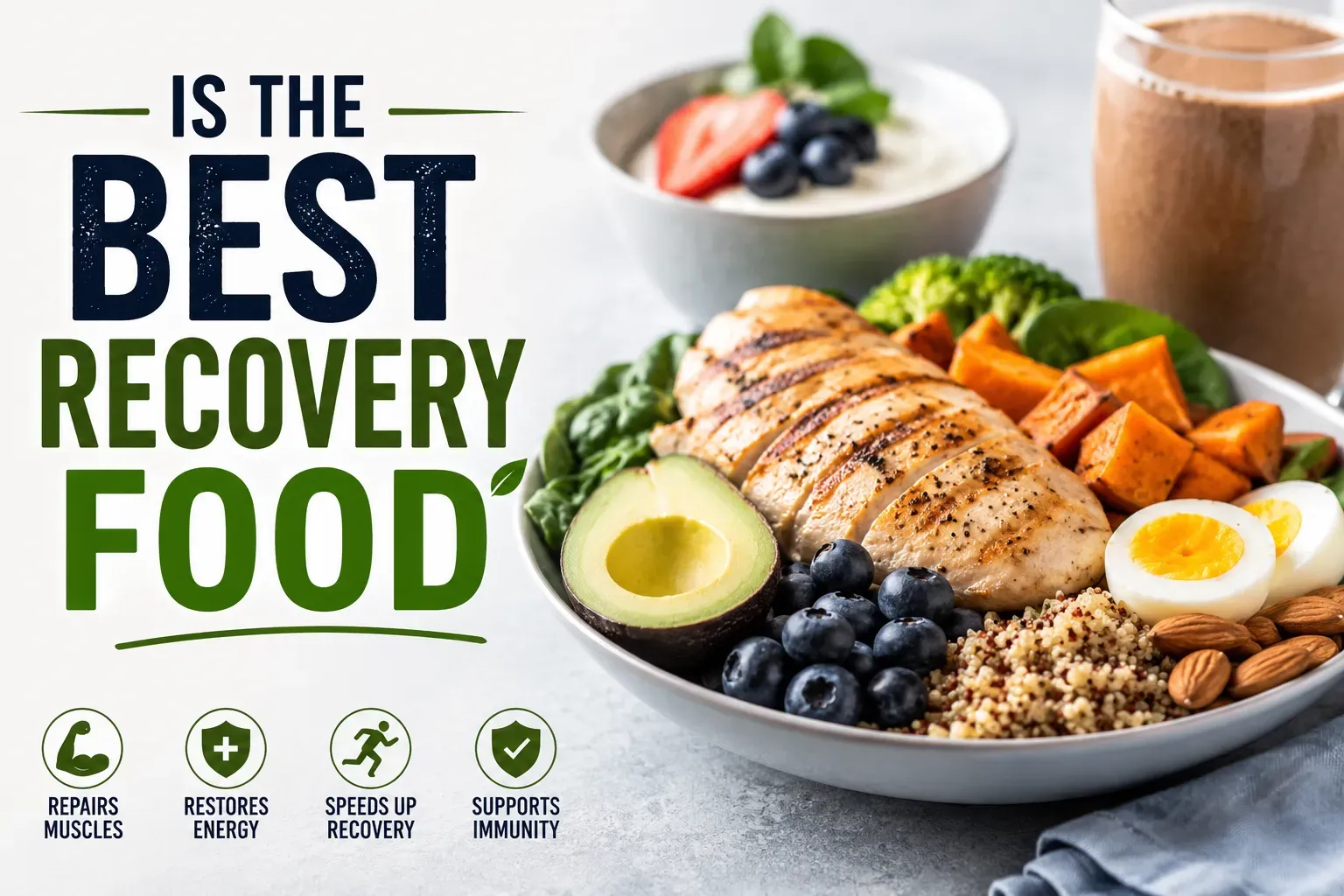
- Grilled chicken breast with quinoa and roasted vegetables
- Pasta with tomato sauce, lean ground beef, and cheese
- Avocado toast with eggs
- Turkey and cheese sandwich on whole grain bread with banana
Smoothie option:
- Blend spinach, banana, protein powder, almond milk, and nut butter
These combinations provide the nutrients your body needs to recover effectively .
Special Considerations for Recovery Nutrition
Personalized Approaches for Different Athletes
Individual factors influence recovery needs. Genetic and metabolic profiling may help tailor nutritional strategies for better results . Additionally, pre-sleep nutrition—particularly casein-rich foods like cottage cheese—can support overnight muscle recovery .
Different types of exercise also influence recovery priorities. Endurance athletes may benefit more from carbohydrate-focused refueling, while strength athletes need higher protein intakes to support muscle repair .
Frequently Asked Questions
What is the best recovery food for muscle growth?
The best recovery food for muscle growth combines high-quality protein with carbohydrates. Chicken breast, salmon, eggs, and Greek yogurt provide essential amino acids for muscle repair. Adding carbohydrates like quinoa, sweet potatoes, or whole grains supports glycogen replenishment and helps drive protein into muscle cells.
How soon after exercise should I eat recovery foods?
Your muscles are most receptive to nutrients during the first 30 to 60 minutes after exercise. During this window, consuming carbohydrates and protein maximizes glycogen storage and muscle protein synthesis. Aim to eat within two hours of finishing your workout at the latest.
Is chocolate milk good for post-workout recovery?
Yes, chocolate milk provides an ideal 3:1 ratio of carbohydrates to protein. It contains 13 essential nutrients, rehydrates with fluids and sodium, and supports both glycogen replenishment and muscle repair. Experts recommend it as an effective, cost-effective recovery drink.
What foods reduce muscle soreness after exercise?
Anti-inflammatory foods help reduce muscle soreness. Salmon (omega-3s), berries and tart cherry juice (antioxidants), leafy greens (flavonoids), and turmeric (curcumin) all help decrease inflammation. These foods combat oxidative stress and may speed recovery from delayed-onset muscle soreness.
Can I just eat protein after a workout?
Protein alone is insufficient for complete recovery. Your body also needs carbohydrates to replenish glycogen stores and fluids for rehydration. A balanced approach including all three components—protein, carbohydrates, and hydration—supports optimal muscle repair and energy restoration.
What is the best recovery food for weight loss?
For weight loss, choose recovery foods that are nutrient-dense but not calorie-heavy. Eggs (6 grams protein per egg), Greek yogurt, lean chicken, and greens provide protein and nutrients without excess calories. Pair these with complex carbohydrates like berries or sweet potatoes for balanced recovery that supports your fitness goals.
Your Recovery Plan for Better Performance
Understanding what is the best recovery food helps you make informed choices that support your fitness goals. The most effective strategy combines quality protein, adequate carbohydrates, anti-inflammatory foods, and proper hydration. Timing matters, so prioritize eating within the golden window after exercise.
Take action today: Evaluate your current post-workout nutrition. Do you include protein, carbohydrates, and fluids? Are you eating within two hours of finishing your workout? Small adjustments to your recovery nutrition can significantly improve your performance, reduce soreness, and help you achieve your fitness goals faster. Start by incorporating one new recovery food from this guide into your routine this week—your muscles will thank you.