Why AI Transformation Is A Problem Of Governance Now
Why AI Transformation Is A Problem Of Governance
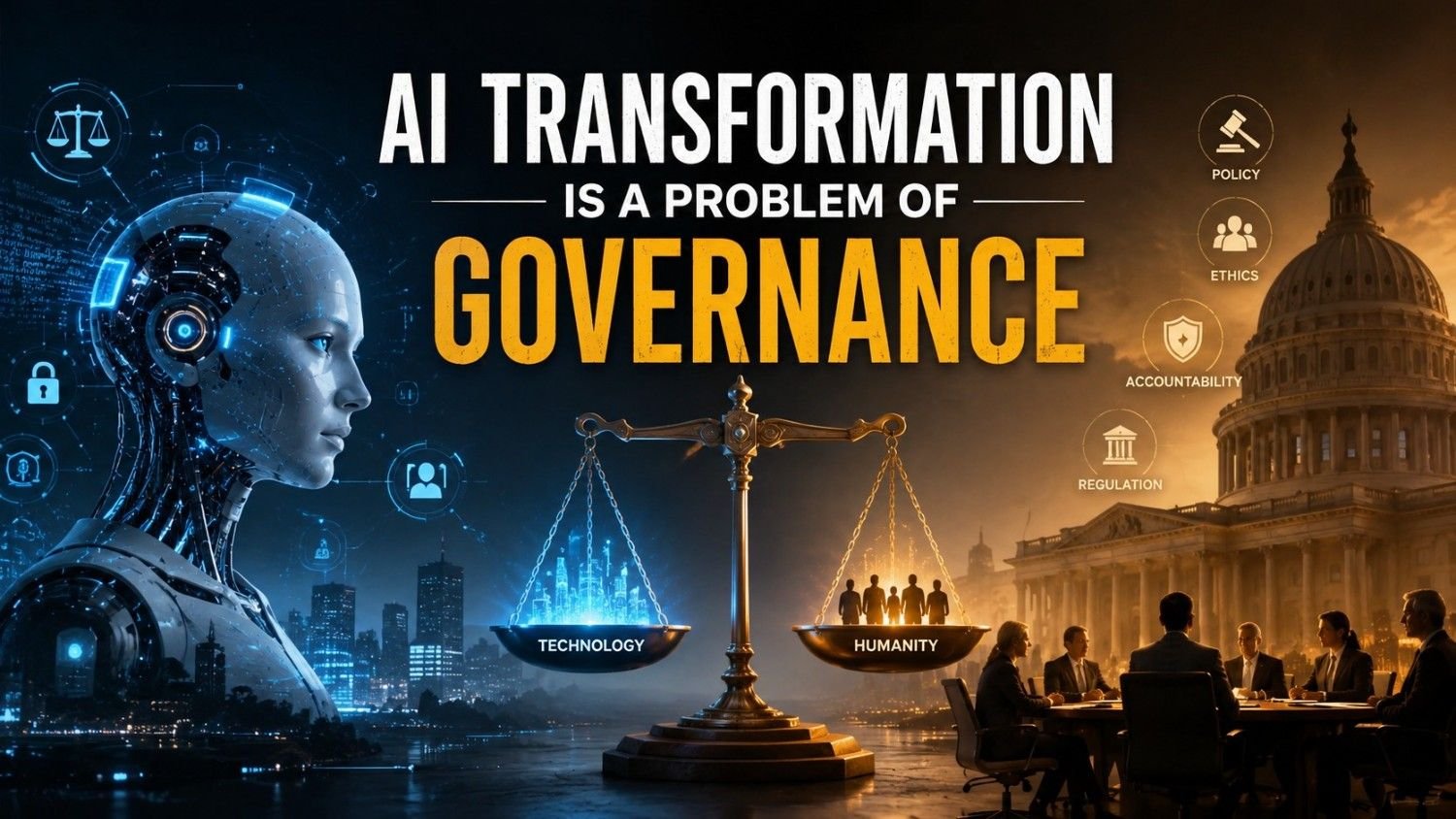
Companies rush to buy AI tools but face massive security risks and project failures. Without strict rules, these systems cause hidden bias, data leaks, and heavy legal fines. You must update your oversight to succeed. The core truth remains that AI transformation is a problem of governance, not just a technology upgrade.
What Does Governance Mean in AI?
Governance means setting rules to control how a company uses technology. It creates clear boundaries for data handling and decision-making. Good oversight ensures machines serve human goals safely. You dictate exactly how the software behaves.
Why AI Transformation Is A Problem Of Governance
Many leaders think buying new software solves their efficiency issues. They treat the fact that AI transformation is a problem of governance as a mere afterthought. This mistake causes immediate chaos. Recognizing that AI transformation is a problem of governance saves you from future disasters. You must manage the rules before you deploy the tools.
The Hidden Risks of Unchecked AI Systems
Unmonitored tools make choices that harm customers. They might deny loans based on flawed historical data. They might share private health records without permission. These errors destroy brand trust fast. Because AI transformation is a problem of governance, leaders must stop these risks before they start.
Comparing Traditional IT vs. AI Oversight
| Feature | Traditional IT Management | AI Governance Strategy |
|---|---|---|
| Decision Making | Follows strict, coded logic | Learns and changes over time |
| Primary Focus | System uptime and speed | Safety, ethics, and compliance |
| Accountability | Clear human developer | Shared between human and machine |
| Data Needs | Standard database storage | Massive, varied data sets |
| Rule Creation | Understanding AI transformation is a problem of governance is new | Set rules before model training |
Key Entities Shaping AI Rules
Global organizations create strict guidelines to protect people. The NIST AI Risk Management Framework provides a clear guide to identify and manage risks. The EU AI Act bans dangerous applications and fines rule-breakers heavily. The OECD AI Principles promote human-centric values. Since AI transformation is a problem of governance, following these entities keeps your business safe.
How Algorithmic Bias Hurts Business Growth
Machines learn from historical data. If that data contains prejudice, the tool copies it. This creates unfair treatment for specific customer groups. Buyers notice this unfairness quickly. They take their money to better, fairer competitors.
Data Privacy Challenges in Machine Learning
Training models requires massive amounts of personal information. Gathering this data often crosses legal privacy lines. Users rarely know how companies use their private details. Strong oversight ensures you respect user consent and privacy laws. You must remember that AI transformation is a problem of governance when handling data.
Building an Effective AI Policy Framework
Start by listing every AI tool your team uses today. Write clear rules for who can access sensitive information. Create a review board to approve new machine learning projects. Document every decision the system makes. Accepting that AI transformation is a problem of governance helps you build this framework faster.
Steps to Align AI Goals with Corporate Strategy
Match your tech projects to your main business goals. If you want better customer service, choose tools that speed up responses. Do not buy software just because it sounds trendy. Keep your focus on real business value.
Measuring the Success of Your AI Oversight
Track specific metrics to prove your rules work well. Monitor the number of bias complaints you receive each month. Check how often your review board stops a risky project. Lower complaint numbers mean your system protects people effectively.
Future Trends in Corporate AI Compliance
Governments will create stricter laws very soon. Companies will need dedicated teams just to track rule changes. Automated auditing tools will become a standard practice. Staying ahead of these trends gives you a massive advantage.
How to Train Your Team on AI Ethics
Employees need to understand the rules you set. Host regular workshops on data privacy and system bias. Give workers a clear way to report strange machine behavior. Trained teams make fewer costly mistakes.
Frequently Asked Questions
Why is AI transformation a problem of governance?
It requires strict rules to manage risks, bias, and data privacy that basic IT policies cannot cover. AI transformation is a problem of governance because the technology makes its own decisions.
What happens if you ignore AI governance?
You face massive legal fines, sudden data breaches, and severe damage to your brand reputation.
Who sets the rules for AI compliance?
Primary global entities include the NIST AI RMF, the EU AI Act, and the OECD AI Principles.
How do you solve the issue that AI transformation is a problem of governance?
Build a dedicated review board, write clear data policies, and audit your machine models regularly. Solving the reality that AI transformation is a problem of governance takes dedicated leadership.
Can small businesses handle AI oversight?
Yes. Small businesses can start by setting basic data limits and choosing trustworthy software vendors.
What is the biggest risk of unchecked AI?
The biggest risk is hidden algorithmic bias that leads to unfair and illegal treatment of your customers.
Taking control of your technology starts with making better rules today. You have the power to build systems that protect your customers and grow your business. Stop treating oversight as a secondary task. Because AI transformation is a problem of governance, you must start building your custom policy framework right now. Your future success depends on the boundaries you set today.