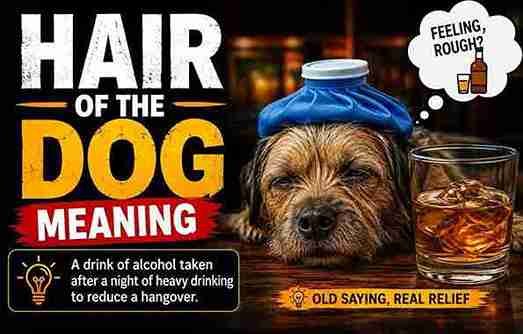
Hair of the Dog Meaning: What Does This Common Phrase Really Mean?
Are you struggling with a rough morning after a night of celebrating? You might have heard someone suggest having “a little hair of the dog” to settle your nerves. It is a confusing expression that leaves many people wondering if it actually works or if it just makes things worse. Understanding the hair of the dog meaning is essential for anyone interested in the odd quirks of the English language and historical folk remedies.
What is the Hair of the Dog Meaning?
The hair of the dog meaning refers to the practice of drinking more alcohol to cure a hangover caused by previous alcohol consumption. It is based on an ancient, superstitious belief that consuming a small amount of the substance that caused your illness will help you recover faster. While the phrase is common, it is important to distinguish between folklore and actual medical advice.
The Historical Origins of the Phrase
The origin of this expression dates back to medieval times in Scotland. People believed that if a person was bitten by a rabid dog, placing a few hairs from that same dog onto the wound would prevent infection. Over time, this bizarre medical myth evolved into a metaphor for treating the after-effects of overindulgence by returning to the original source.
Why Do People Use This Expression?
People often use the expression during social gatherings or casual conversations about recovery. It serves as a lighthearted way to discuss hangover remedies. Because it has been passed down through generations, it remains a staple in our cultural lexicon, even if few people take the original medical concept seriously in modern times.
Breaking Down the Logic (Or Lack Thereof)
The logic behind the hair of the dog meaning is fundamentally flawed. When you consume alcohol to mask a hangover, you are simply delaying the symptoms rather than curing them. Your body must eventually process the additional alcohol, which often leads to a more severe hangover later in the day once the temporary “numbing” effect wears off.
Scientific Perspective on Hangover Remedies
Medical experts agree that there is no magical cure for a hangover. The discomfort you feel is primarily due to dehydration and the toxic byproduct of alcohol metabolism, known as acetaldehyde. Drinking more alcohol does not provide your body with the hydration or nutrients it needs to recover. Instead, doctors recommend rehydration and rest as the most effective paths to feeling better.
Common Myths vs. Reality
- Myth: Alcohol cures a hangover instantly.
- Reality: Alcohol only temporarily masks the physical pain by numbing the nervous system.
- Myth: The phrase implies a universal medical truth.
- Reality: It is an idiomatic expression rooted in folklore, not a validated medical treatment.
Cultural Impact and Modern Usage
You will frequently find the hair of the dog meaning referenced in literature, movies, and television shows. Writers use it to add flavor to dialogue, especially in scenes involving social settings or nightlife. Its endurance in pop culture proves that, despite our modern understanding of health, we love holding onto colorful, historical idioms.
How to Properly Use the Phrase
You can use this phrase when someone suggests a morning drink after a late night. For example, “I’m feeling a bit groggy, so I think I’ll skip the hair of the dog this morning.” It functions as a noun phrase in almost any sentence structure. Always ensure the context is clear so your audience understands you are referring to the idiom, not literal animal hair.
Are There Any Safe Alternatives?
If you are looking for actual relief, consider these proven alternatives instead of the hair of the dog meaning:
| Method | Benefit |
| Water/Electrolytes | Combats dehydration directly. |
| Balanced Breakfast | Replenishes lost glucose levels. |
| Rest/Sleep | Allows the liver to process toxins. |
| Ginger Tea | Soothes an upset stomach. |
The Dangers of Misinterpreting Idioms
Misinterpreting idioms like this can lead to poor health decisions. By treating the hair of the dog meaning as legitimate advice, individuals may inadvertently worsen their dehydration or develop an unhealthy relationship with alcohol. Always prioritize scientific evidence over catchy, old-fashioned sayings when it comes to your personal health and well-being.
Summary of Key Takeaways
The hair of the dog meaning is a fascinating look into how language preserves history. While the phrase is harmless as a figure of speech, it is important to remember that it is not a cure. Focus on hydration, nutrition, and common-sense recovery methods to get back on your feet after a long night.
Frequently Asked Questions
1. Does the hair of the dog actually work?
No, it does not cure a hangover; it only masks the symptoms by delaying the withdrawal from alcohol.
2. Where did the phrase come from?
It originated from a medieval Scottish folk belief that a rabid dog’s hair could cure the wound it caused.
3. Is “hair of the dog” considered professional advice?
Absolutely not. It is an idiom and should never be followed as medical or health advice.
4. Can I use the phrase in a professional setting?
While it is not offensive, it is informal and best used in casual, social conversations.
5. What is the best way to handle a hangover?
Drinking water, eating a nutritious meal, and getting plenty of rest are the most effective strategies.
6. Is the hair of the dog meaning the same as “fighting fire with fire”?
They are similar in concept, but “hair of the dog” is specifically reserved for alcohol consumption.
Final Thoughts
Understanding the hair of the dog meaning is more about appreciating linguistic history than seeking health tips. Use this phrase to add color to your vocabulary, but always choose water and rest over old-fashioned remedies when you need to recover. Stay smart, stay hydrated, and enjoy your weekend responsibly!
Sources:
- National Institute on Alcohol Abuse and Alcoholism (NIH)
- Oxford English Dictionary (Etymology records)
- Journal of Clinical Medicine (Studies on alcohol metabolism)